
What San Antonio & Boerne Homeowners Should Know About Cast Iron Plumbing
Cast iron plumbing was once a reliable part of residential construction for generations, but even durable pipes eventually wear out. For homeowners in Boerne and the greater San Antonio area, cast iron plumbing is an especially relevant concern. Many older homes in the region still have original cast iron drain and sewer lines, some of which may be approaching or exceeding their expected service life.
If your home has cast iron plumbing, understanding how these pipes deteriorate, what warning signs to watch for, and when replacement makes sense can help you avoid unexpected plumbing problems. Our team at The Plumbing Bros helps homeowners throughout Boerne and the surrounding area diagnose aging plumbing systems and find practical, long-term solutions.
Here’s what you should know about cast iron plumbing, including common problems, maintenance needs, replacement options, and what you can expect to pay.
What Is Cast Iron Plumbing?
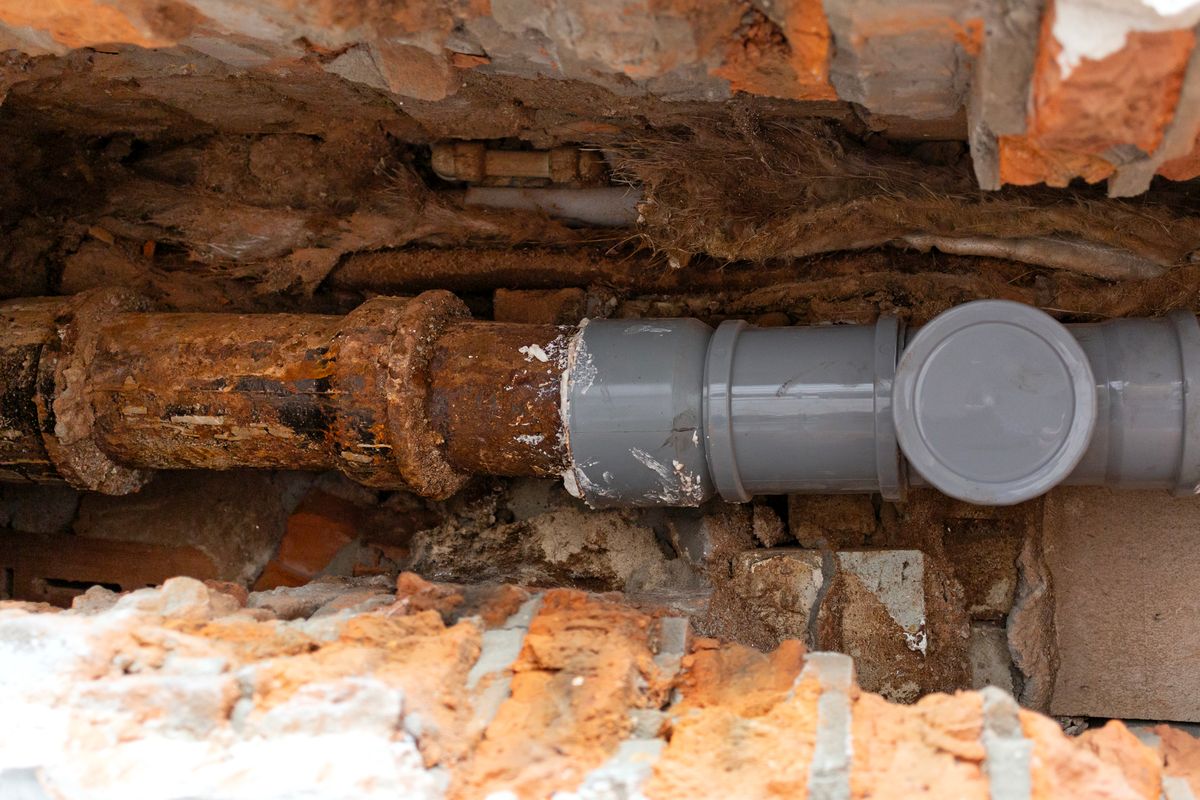
Cast iron is a durable metal traditionally used in plumbing pipes and fixtures, particularly residential drain, waste, and vent systems. These pipes carry wastewater away from sinks, toilets, showers, tubs, and other fixtures before it reaches the home’s sewer connection.
Cast iron became a popular plumbing material because it offered several advantages:
- Durability: Its thick walls provided substantial structural strength and resistance to physical damage.
- Noise reduction: Cast iron absorbs sound better than many lightweight plastic piping materials, making it quieter when wastewater flows through the system.
- Fire resistance: Unlike plastic piping, cast iron is noncombustible.
- Longevity: Properly installed cast iron pipes can remain functional for decades.
However, modern plumbing systems generally use materials such as PVC and ABS for drain and sewer applications. These alternatives are lighter, easier to install, and do not experience the same type of internal rust and corrosion as cast iron.
Why Is Cast Iron Plumbing So Common in San Antonio and Boerne?
Cast iron was widely used in residential construction for decades, particularly in homes built before the 1970s. As a result, older neighborhoods throughout San Antonio and surrounding communities can still contain original cast iron drain systems.
Boerne homeowners should pay particular attention to this issue when purchasing or maintaining older properties. Homes built several decades ago may still have their original underground sewer lines, horizontal drain pipes, and vertical plumbing stacks. Even if your plumbing has functioned reliably for years, that doesn’t necessarily mean the pipes are in good condition today.
The age of the home alone won’t tell you whether replacement is necessary. Previous renovations, plumbing repairs, installation quality, soil conditions, and maintenance history all influence how well a cast iron system holds up.
However, if your home was built before 1970 and has never had its drain or sewer piping replaced, it’s worth finding out what material is present and whether the system needs an inspection.
What Causes Cast Iron Plumbing to Deteriorate?
Cast iron is strong, but it is still vulnerable to corrosion and other forms of deterioration. Several factors contribute to the gradual breakdown of these systems.
Internal Corrosion
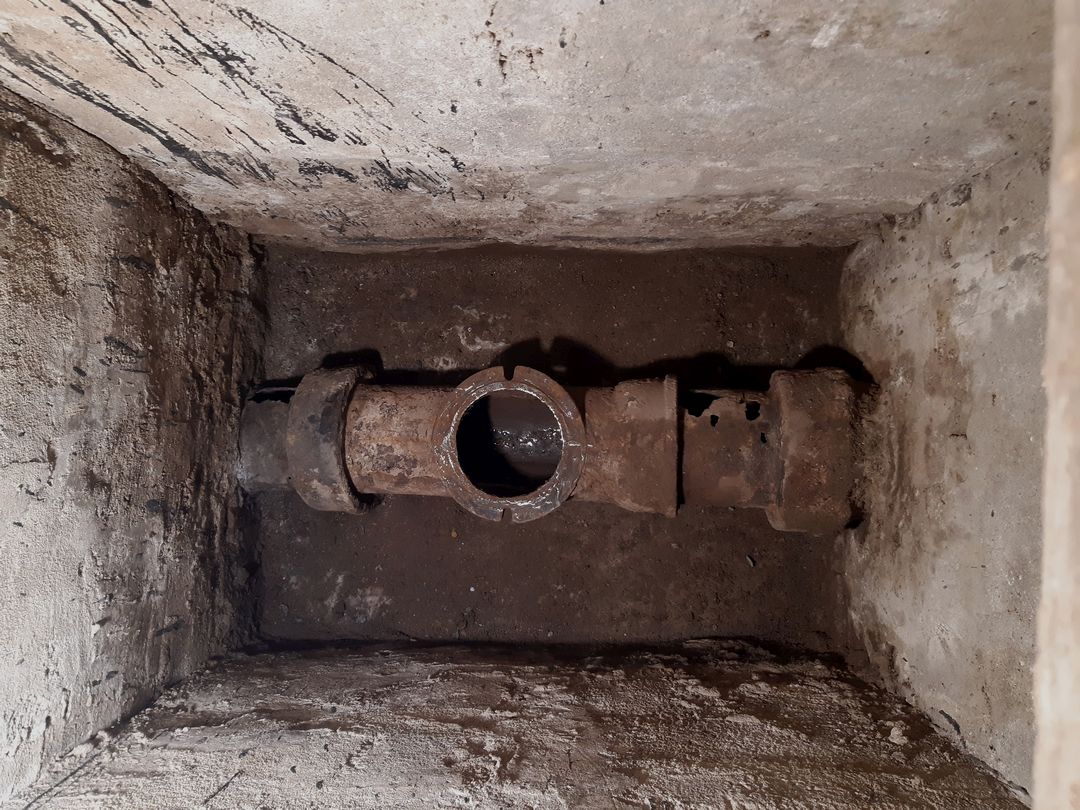
Corrosion is one of the primary reasons cast iron plumbing eventually fails. Wastewater contains moisture and other substances that contribute to chemical reactions on the pipe’s interior surface. Sewer gases, particularly hydrogen sulfide, can also contribute to corrosive conditions within drain systems.
Over time, corrosion causes the interior surface of the pipe to become rough and uneven. The process can gradually remove material from the pipe wall, leaving sections thinner and more vulnerable to leaks or structural failure.
One challenge is that internal corrosion may not be visible from the outside. A pipe can appear relatively intact while its interior has deteriorated significantly.
Rust and Scale Buildup
As cast iron corrodes, rust and other deposits can accumulate along the inside of the pipe. This buildup creates a rough surface that catches debris and makes it easier for wastewater to collect around obstructions.
Eventually, the buildup can reduce the pipe’s effective diameter, restricting wastewater flow and increasing the likelihood of recurring clogs.
This is one reason older cast iron systems may experience increasingly frequent drainage problems even when homeowners have not changed how they use their plumbing.
Tree Root Intrusion
Underground cast iron sewer pipes can develop cracks, weakened joints, and other openings as they age. Tree roots naturally seek moisture, making these damaged areas potential entry points.
Once roots enter a sewer line, they can continue growing inside the pipe and collect waste, toilet paper, and other debris. This can lead to repeated blockages and, in more severe cases, additional structural damage.
Root intrusion is not necessarily evidence that an entire cast iron system needs replacement. However, recurring root problems may indicate that the pipe has deteriorated enough to require more extensive work.
Ground Movement and External Pressure
Underground pipes are exposed to soil conditions and the forces acting on the surrounding ground. Soil movement, settling, shifting, and external pressure can contribute to cracks, separated joints, or misaligned sections.
Cast iron is rigid, so it does not flex as easily as some modern piping materials. When an older pipe is already weakened by corrosion, additional pressure or movement can make it more susceptible to cracking.
Poor Installation or Previous Repairs
Not every cast iron plumbing problem is caused by age. Poor installation practices, improperly supported pipes, deteriorating connections, and incompatible materials used in previous repairs can also contribute to premature failures.
Older homes may have undergone multiple plumbing modifications over the years. If those changes were not completed properly, they can create weak points that eventually lead to leaks, blockages, or other problems.
What Are the Most Common Cast Iron Plumbing Problems?
Cast iron plumbing can develop several issues as the system ages. Some begin with relatively minor symptoms, while others can lead to significant property damage if left unaddressed.
Frequent, Recurring, or Widespread Drain Clogs
One of the earliest signs of cast iron deterioration is an increase in drain clogs. As rust and scale accumulate inside the pipes, wastewater has less room to flow, and debris is more likely to become trapped.
If you repeatedly experience clogged sinks, tubs, showers, or toilets, the problem may extend beyond an individual fixture. This is especially true if you have multiple slow drains or recurring blockages throughout the home, which can indicate a larger issue with the drain or sewer system.
Professional inspection can help determine whether the problem is a simple obstruction or evidence of a deteriorating pipe.
Cracks, Holes, and Leaking Pipes
As corrosion weakens cast iron, the pipe walls can develop pinhole leaks, cracks, and larger openings. These defects may allow wastewater to escape into surrounding soil, crawl spaces, walls, or areas beneath the home.
Some leaks are difficult to detect because the affected pipe may be concealed behind walls or beneath a concrete slab. Unexplained moisture, water damage, persistent odors, or other signs of plumbing leaks should be investigated promptly.
Sewer Backups
When cast iron pipes become severely restricted or structurally damaged, wastewater may struggle to reach the main sewer connection. This can cause sewage to back up into toilets, tubs, showers, and floor drains.
A sewer backup can create unsanitary conditions inside the home and may indicate a significant problem with the drain system. If wastewater is backing up into multiple fixtures, contact a plumber rather than continuing to use the affected plumbing.
Wet Spots and Foundation Concerns
A damaged underground cast iron pipe can leak wastewater into the surrounding soil. Depending on the location and extent of the leak, homeowners may notice unusually wet areas in the yard, persistent moisture beneath the home, or other signs of water intrusion.
Under-slab leaks can be particularly difficult to identify because the damaged pipe is concealed beneath the concrete foundation. If left unresolved, leaking wastewater may contribute to soil saturation and damage to nearby building materials.
Can Cast Iron Plumbing Be Maintained? 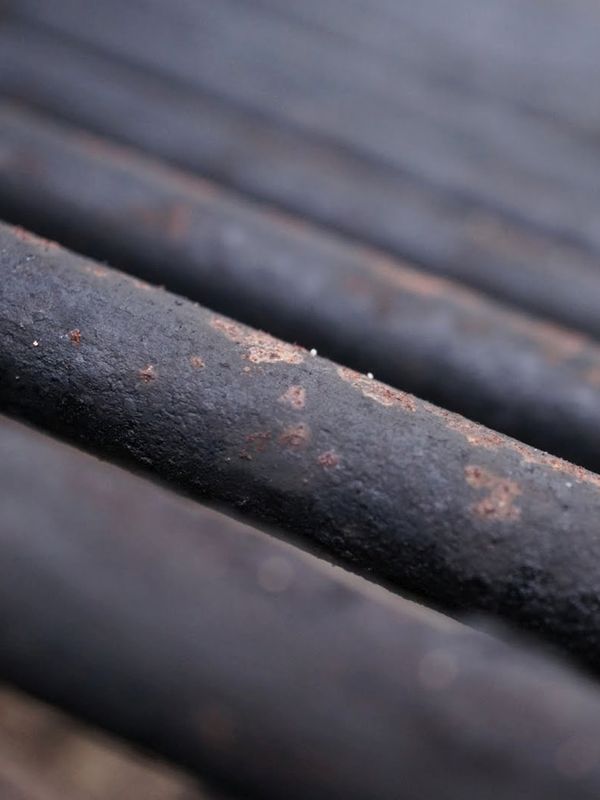
Yes. Cast iron plumbing can benefit from regular inspections and appropriate maintenance, particularly when the pipes are still in good structural condition.
However, maintenance has limitations. It can help manage certain drainage problems and identify deterioration early, but it cannot reverse corrosion, restore lost pipe material, or repair significant structural damage.
Here are some ways homeowners can help maintain an existing cast iron system.
Schedule Periodic Plumbing Inspections
A professional plumbing inspection can help identify corrosion, leaks, buildup, and other issues before they become major problems.
For older homes, a sewer camera inspection can be especially useful. A plumber can guide a specialized camera through accessible drain and sewer lines to examine the pipe interior and look for cracks, obstructions, root intrusion, and other signs of deterioration.
This can help determine whether a problem is localized or part of a larger pattern throughout the system.
Avoid Putting Grease and Debris Down Drains
Grease, food scraps, wipes, and other materials can contribute to drain blockages. Older cast iron pipes with rough interior surfaces may be especially susceptible to accumulating debris.
Avoid flushing anything other than toilet paper and human waste, and keep grease, oils, and food waste out of household drains.
Address Drainage Problems Promptly
Recurring clogs and slow drains should not be treated as routine inconveniences, especially in older homes.
While occasional blockages can happen in any plumbing system, repeated problems may indicate internal corrosion, scale buildup, or structural damage. Having the issue investigated can help prevent a minor obstruction from turning into a more serious plumbing failure.
Use Professional Drain Cleaning When Necessary
Professional drain cleaning can remove obstructions and restore wastewater flow in some cast iron systems. However, the condition of the pipes should be considered before aggressive cleaning methods are used.
If a pipe is severely corroded or structurally weakened, certain mechanical cleaning methods may damage it further. A camera inspection can help a plumber determine whether the pipe is suitable for cleaning and what approach is appropriate.
Keep Records of Repairs and Inspections
If your home has older cast iron plumbing, maintaining a record of inspections, repairs, and recurring problems can help you understand how the system is changing over time.
This information can also be useful when deciding whether another targeted repair makes sense or whether a larger replacement project is becoming necessary.
Should I Replace My Cast Iron Plumbing?
For homeowners with significantly deteriorated cast iron plumbing, replacement is generally the best long-term solution.
Cast iron pipes eventually lose material through corrosion, and recurring clogs or leaks may indicate that the system is approaching the end of its useful life. While maintenance and targeted repairs can address isolated problems, they cannot restore the structural integrity of pipes that have deteriorated throughout.
There are several situations in which replacement is worth serious consideration:
- Widespread corrosion: Multiple sections of the system show significant rust, scaling, or deterioration.
- Recurring clogs: Drains continue backing up even after professional cleaning.
- Multiple leaks: Several areas of the system have developed pinhole leaks, cracks, or damaged connections.
- Structural damage: Pipes have collapsed, separated, or lost significant portions of their walls.
- Repeated repair costs: Ongoing repairs are becoming increasingly frequent without providing a dependable long-term solution.
That doesn’t mean every older cast iron pipe must be replaced immediately. If inspections show that the system remains structurally sound and functions properly, continued maintenance may be reasonable.
However, homeowners should understand the difference between keeping an aging system operational and addressing the underlying deterioration. When significant corrosion or structural damage is present, replacement is usually more dependable than continuing to repair individual sections.
If you’re concerned about the condition of your home’s plumbing, The Plumbing Bros can inspect your cast iron system and help you determine whether replacement is necessary.
How Much Does It Cost to Replace Cast Iron Plumbing?
The cost to replace cast iron plumbing depends heavily on how much piping needs to be replaced and where it is located. Replacing a short, accessible section beneath a sink is considerably different from replacing an entire drain system beneath a concrete slab.
As a general national reference, HomeGuide’s February 2026 cost guide estimates drain pipe replacement at approximately $150 to $250 per linear foot, including materials and labor. Its figures for major drain pipe repairs can reach $8,000 or more, depending on the location and complexity of the work.
Angi’s October 2026 cast iron pipe replacement guide provides a different set of estimates. It places a 30-foot replacement project at approximately $375 to $900 in its national cost data, while under-slab replacement projects can range from $3,000 to $20,000.
These figures illustrate how much project conditions affect the final price. They are national estimates, not guaranteed prices for homeowners in Boerne or San Antonio.
What Factors Affect Cast Iron Plumbing Replacement Costs?
Several factors influence how much a replacement project will cost.
Amount of pipe: The quantity of piping that needs to be removed and replaced is one of the most significant cost factors. Replacing a single damaged section generally costs less than replacing an entire drain system.
Accessibility: Exposed pipes in a crawl space or unfinished area are typically easier to access than pipes concealed behind walls, beneath floors, or under a concrete slab.
Excavation and concrete removal: Under-slab plumbing replacement may require cutting and removing concrete, excavating soil, and restoring the affected areas after the plumbing work is complete.
Demolition and restoration: Depending on the location of the pipes, the project may require removing drywall, flooring, cabinetry, landscaping, or other materials. These areas may also need to be repaired or replaced after the plumbing work.
System complexity: The number of fixtures, connections, branches, and transitions involved can affect the amount of labor required. A project involving several sections of the home’s drainage system will generally be more involved than a straightforward pipe replacement.
Permits and cleanup: Depending on the scope of work and local requirements, permits, debris removal, and post-project cleanup may also contribute to the overall cost.
The best way to understand the cost of replacing cast iron plumbing is to have the system inspected and receive an estimate based on the actual condition and layout of the pipes.
The Hidden Cost of Deteriorating Pipes
In some cases, continuing to rely on severely deteriorated pipes can create expenses beyond the cost of plumbing repairs.
A leaking pipe may damage flooring, drywall, cabinets, or other building materials. An under-slab leak may require additional investigation and concrete access. A sewer backup can also create cleanup and sanitation costs, especially if wastewater enters finished living spaces.
Repeated drain cleaning and isolated repairs can add up, too, particularly when they only provide temporary relief from problems caused by widespread corrosion.
For a cast iron system that is already failing in multiple locations, planned replacement may provide better long-term value than waiting for additional sections to break down. It also gives homeowners more control over when the work takes place, rather than having to respond to an unexpected plumbing emergency.
Why Work With The Plumbing Bros for Cast Iron Plumbing?
Cast iron plumbing problems can be difficult to diagnose, especially when much of the system is concealed behind walls or beneath the home’s foundation. Getting the right solution starts with understanding what is actually happening inside the pipes.
At The Plumbing Bros, we have more than 20 years of plumbing industry experience and use modern diagnostic tools to identify the source of plumbing problems. Our team prioritizes thorough inspections, honest recommendations, and solutions designed to address the underlying issue rather than provide another temporary fix.
We provide a range of plumbing services that can help homeowners with aging cast iron systems, including drain repair and cleaning, sewer line services, and professional leak detection.
Whether you’re experiencing recurring clogs, suspect a damaged sewer line, or want to evaluate the condition of your home’s original plumbing, our team is here to help.
Schedule a Cast Iron Plumbing Inspection in Boerne
If your home has aging cast iron plumbing, don’t wait for a major leak or sewer backup to find out there’s a problem. A professional inspection can help you understand the condition of your pipes, identify areas of concern, and determine whether repairs or replacement are the right next step.
The Plumbing Bros proudly serves homeowners throughout Boerne and the greater San Antonio area with reliable plumbing diagnostics and long-term solutions.
Call 830-490-2767 or contact us online to schedule an inspection and learn more about your cast iron plumbing replacement options.
